Poor metabolic health is one of the most widespread and expensive health issues in the country. Only 12% of adults in the U.S. are in optimal metabolic health, and 75% of health care dollars in the U.S. are spent on chronic metabolic-related diseases.1 This means a huge portion of the population, and your employees, are at risk of serious disease, which compromises the health and productivity of your workforce.
Only 12% of adults in
the U.S. are in optimal
metabolic health.

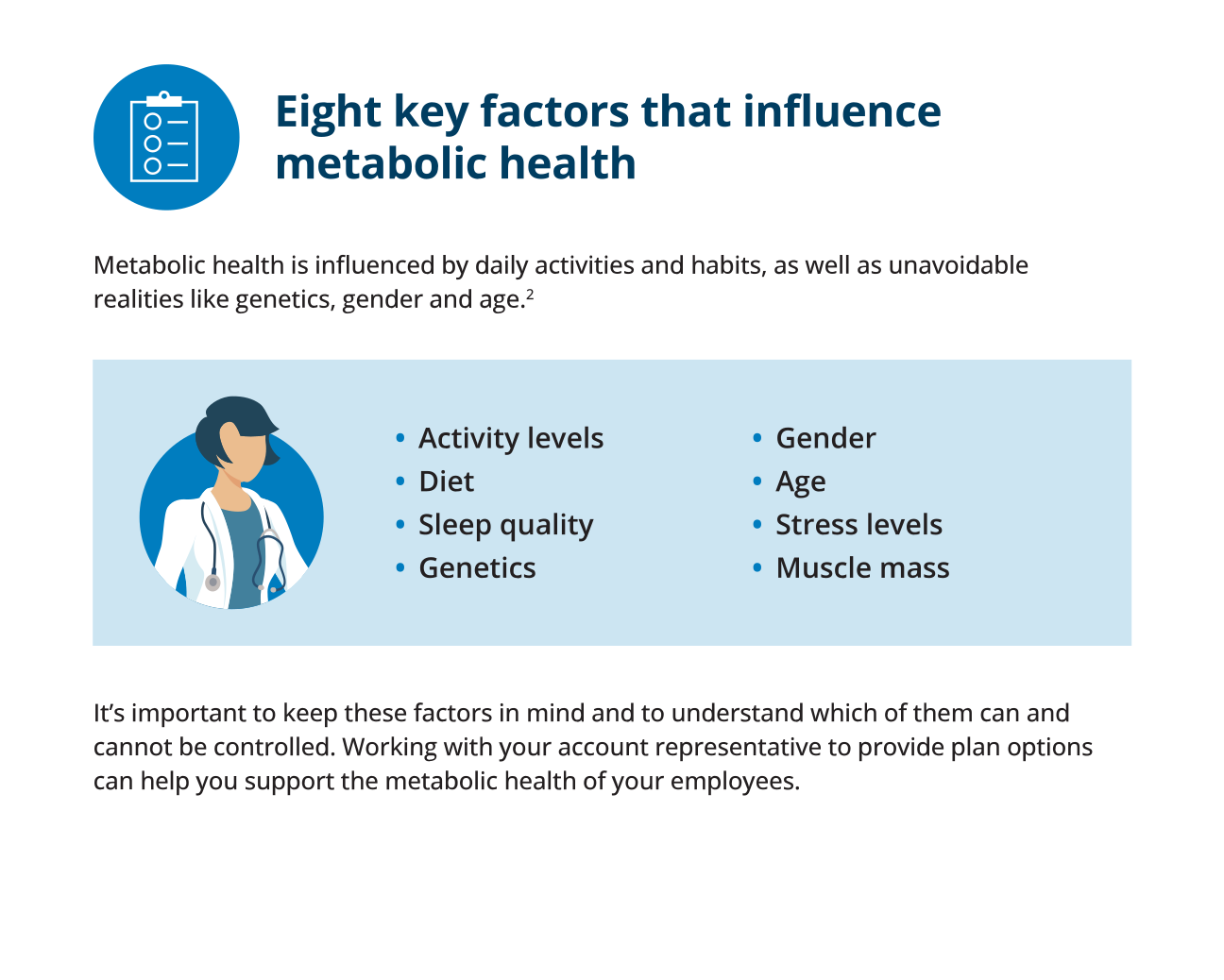
Metabolic health refers to how well the body generates and processes energy. This includes functions
like breathing, digesting, circulating blood and regulating hormones. Core day-to-day behaviors —
like sleeping and eating — as well as genetic factors are at the heart of metabolic health.
Since metabolic health is determined by many factors, which are unique to each individual,
there is no single treatment for every person. To form an effective treatment plan aimed at reversal,
it’s key to consider the entire context of a person’s health journey.
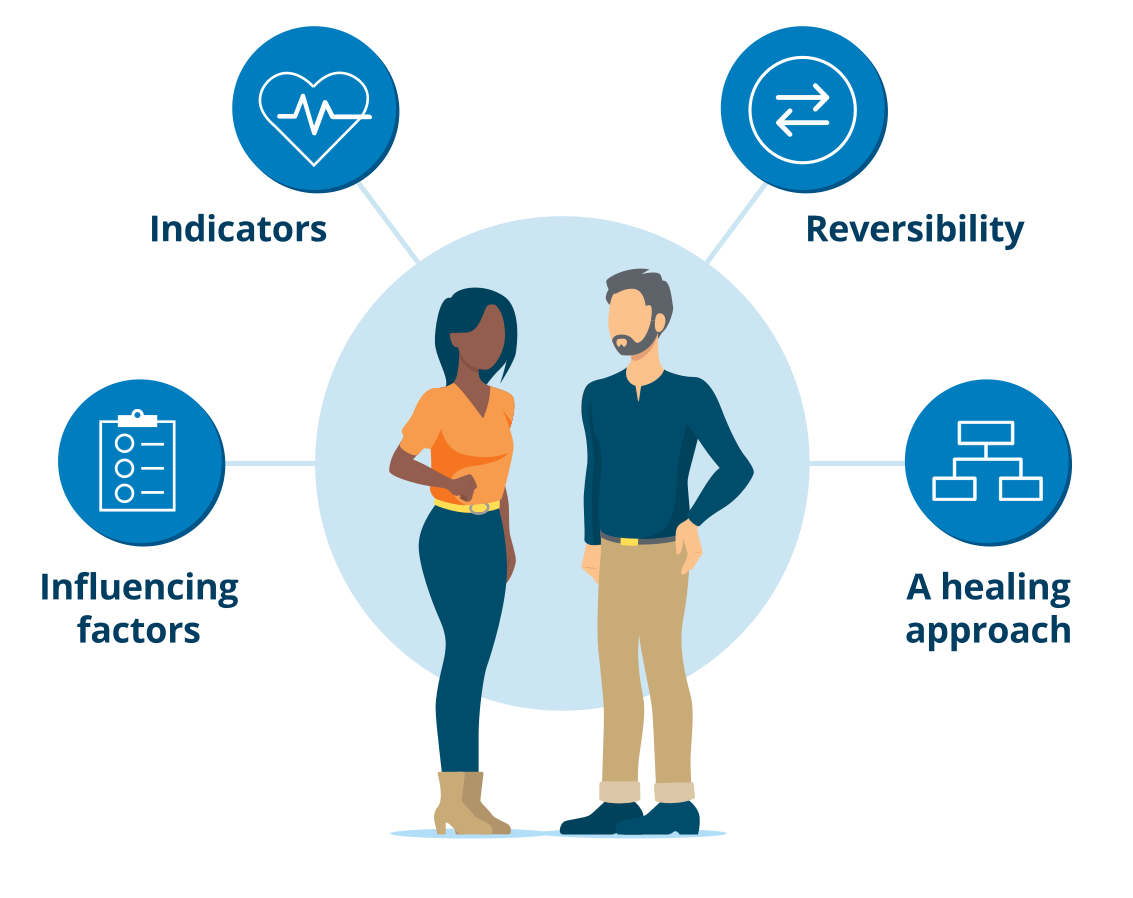
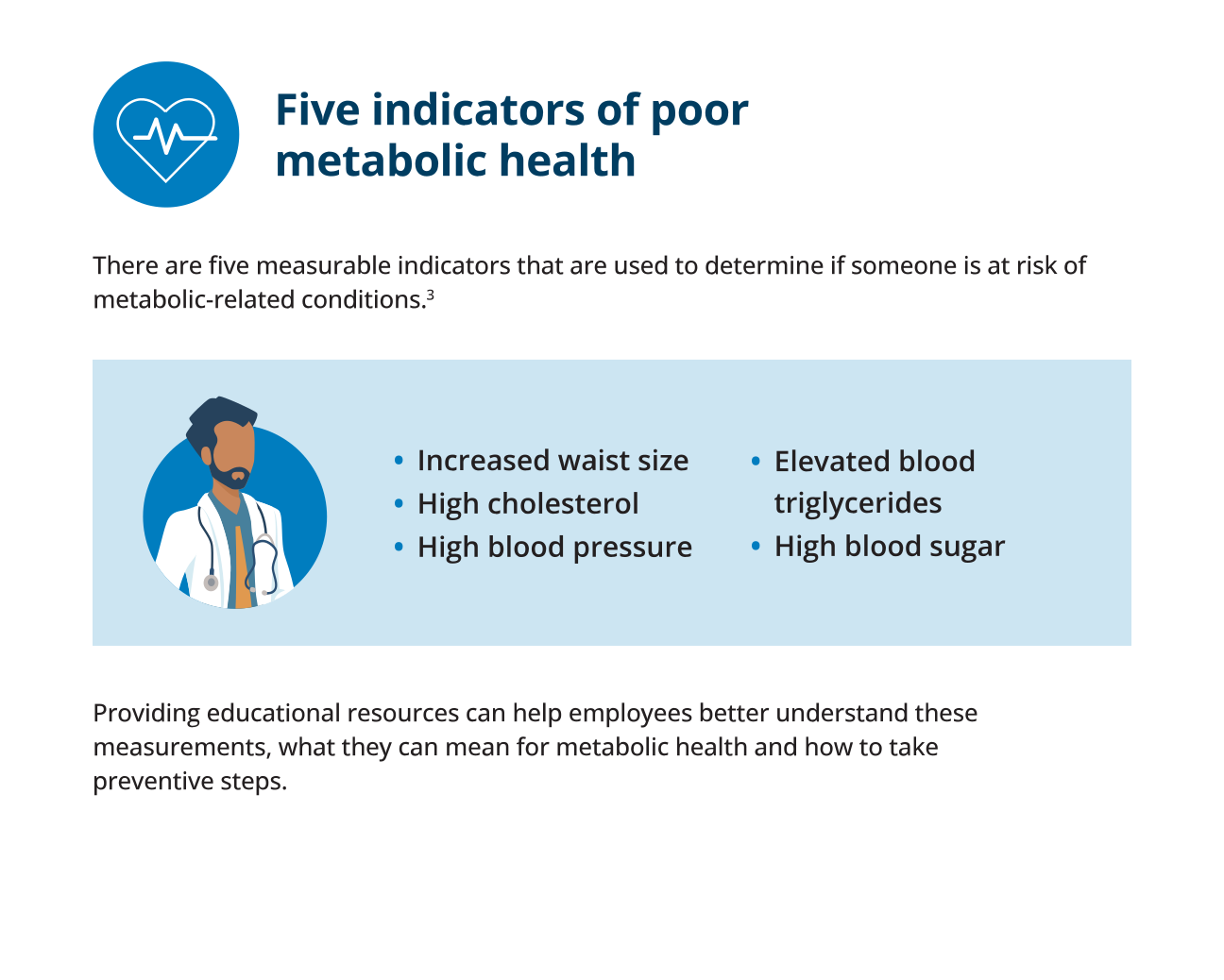
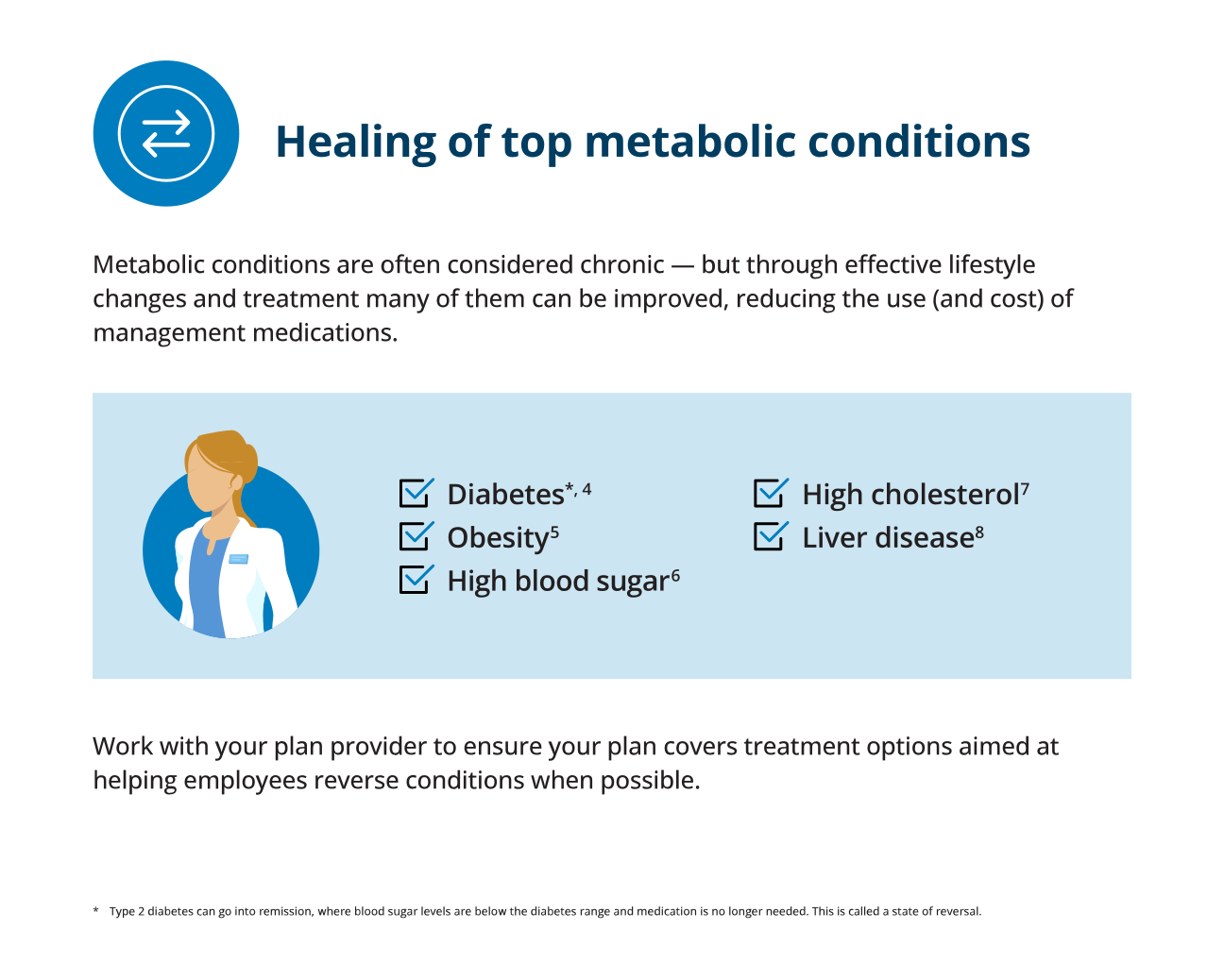
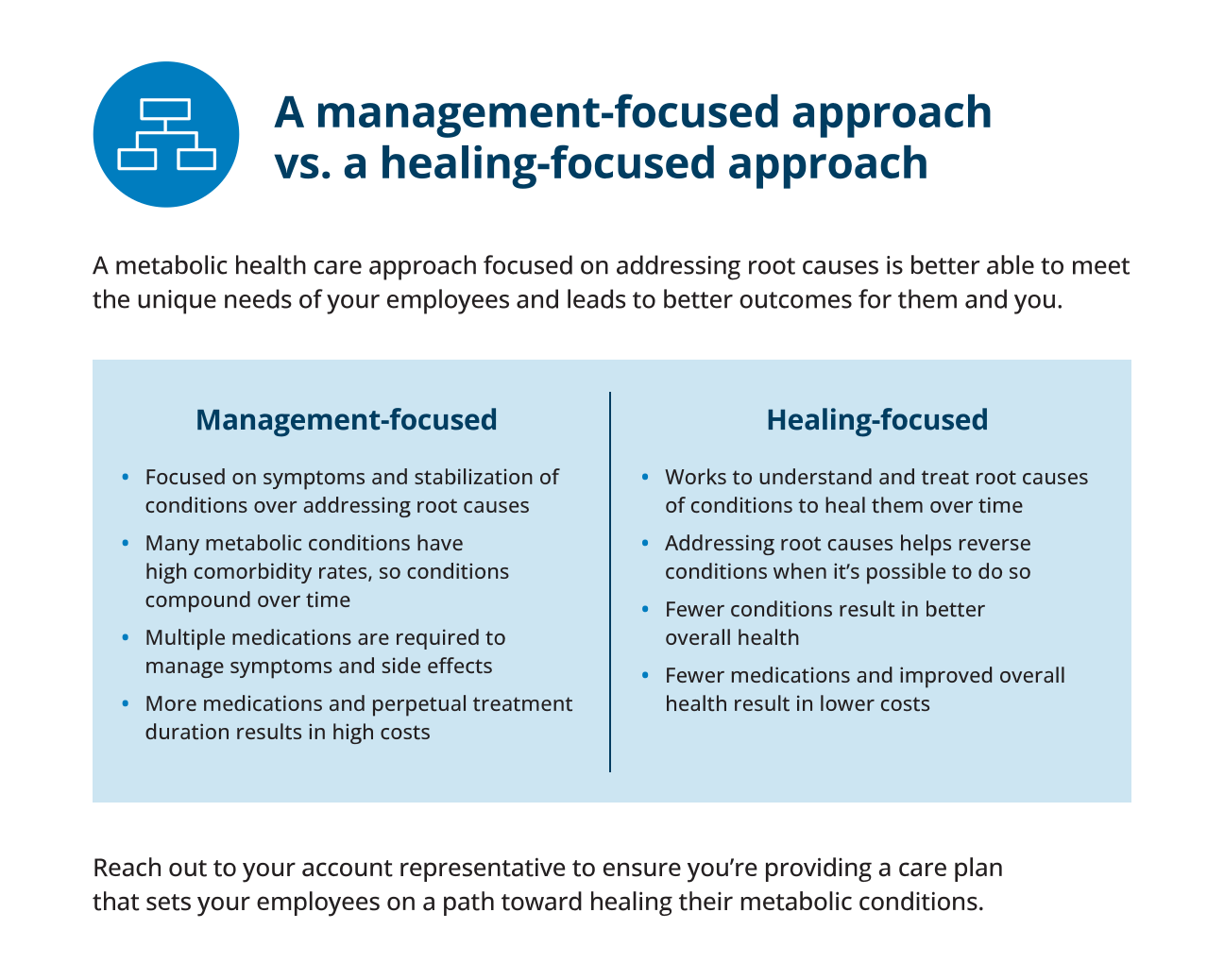

In general, health care costs for people in poor metabolic health are higher than for people in good metabolic health. For each of the five indicators (increased waist size, high cholesterol, high blood pressure, elevated blood triglycerides, and high blood sugar) a person experiences, their health care costs increase by an additional 24%.9 That’s why an approach aimed at reversing indicators, when possible, leads to better health outcomes and lower costs.
Metabolic health is complex. An approach that’s aimed at the root causes of conditions can more effectively meet individual needs, reverse conditions when possible and result in better outcomes for your employees and you. Read our latest white paper or reach out to your account representative to learn more about how to get to the heart of better metabolic health in your workforce.